


Reducing your environmental impact is more important than ever, especially for homeowners and businesses seeking sustainable solutions for heating and cooling. Many Oklahomans are turning to innovative technologies that can help them conserve energy and lower utility bills, all while supporting a cleaner environment. One of the most effective ways to achieve these goals is through Geothermal Heat Pump Installation in Oklahoma, a search phrase that’s gaining traction among those interested in eco-friendly home improvements. Understanding how geothermal systems work and the benefits they provide can help you make an informed decision about upgrading your property’s efficiency.
What Are Geothermal Heat Pumps?
Geothermal heat pumps are advanced systems that use the stable temperature of the earth just below the surface to heat and cool your home or business. Unlike traditional HVAC systems, which rely on outside air temperatures that can fluctuate dramatically in Oklahoma, geothermal systems transfer heat to and from the ground, offering a consistent and reliable source of energy.
These systems consist of three main components:
• Ground loop: A series of pipes buried underground that circulates a water-based solution to exchange heat with the earth.
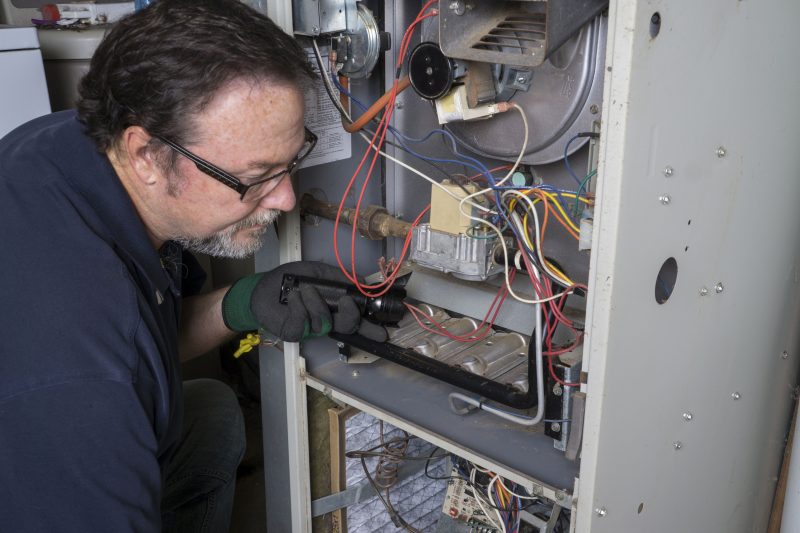
• Heat pump unit: Located inside the building, it moves heat between the ground loop and the indoor air.
• Distribution system: Delivers heated or cooled air throughout the building.
Environmental Benefits of Geothermal Heat Pumps
Opting for geothermal technology can significantly reduce your carbon footprint. Here’s how:
• Lower Greenhouse Gas Emissions: Geothermal systems use renewable energy from the earth, resulting in far fewer emissions compared to conventional heating and cooling methods.
• Reduced Energy Consumption: These systems are highly efficient, often using 25-50% less electricity than standard HVAC equipment.
• Minimal Environmental Disruption: Once installed, the underground loop system can last for decades and requires little maintenance, reducing the need for ongoing resource consumption.
Financial Advantages and Incentives
Beyond environmental benefits, geothermal heat pumps offer substantial financial advantages:
• Energy Cost Savings: Homeowners can see significant reductions in monthly utility bills, thanks to the efficiency of geothermal systems.
• Longevity and Durability: With fewer moving parts and a sheltered indoor unit, geothermal heat pumps often last longer than traditional systems.
• Potential Incentives: Federal and state programs may offer tax credits or rebates for geothermal installations, making the initial investment more affordable.
Why Oklahoma Is Ideal for Geothermal Systems
Oklahoma’s unique climate and geology make it particularly well-suited for geothermal heat pump installations. The ground temperature below the surface remains relatively stable year-round, providing an excellent energy source for both heating and cooling. Additionally, Oklahoma’s energy-conscious residents are increasingly motivated to adopt technologies that offer long-term sustainability and resilience against fluctuating energy prices.
Making the Switch: What to Consider
If you’re considering a geothermal heat pump, keep these factors in mind:
1. Property Size and Layout: Larger properties may require longer ground loops, affecting installation complexity.
2. Soil and Rock Conditions: Professional assessment ensures optimal system design and performance.
3. Upfront Investment: While initial costs are higher than traditional systems, long-term savings and incentives often offset this expense. Investing in geothermal heat pump technology is a smart way to reduce your carbon footprint while enjoying reliable comfort and long-term savings. By exploring Geothermal Heat Pump Installation in Oklahoma options, homeowners and businesses can take a significant step toward environmental responsibility and energy independence. With the right system and professional installation, you’ll benefit from lower emissions, reduced energy costs, and a more sustainable future for your property and community.