



Preventive care in geriatric medicine focuses on identifying potential health concerns before symptoms develop, helping older adults maintain independence and quality of life. Senior health screening is a key part of this approach, providing early insights into changes that may require medical attention or ongoing monitoring.
As individuals age, their health needs become more complex. Regular screenings allow healthcare providers to track these changes over time, catch early warning signs, and offer appropriate interventions when necessary. For seniors in Houston, TX, understanding the role of preventive care in geriatric medicine can empower them to take proactive steps toward maintaining long-term wellness.
Why Preventive Screenings Matter in Geriatric Medicine
Preventive screenings help detect age-related health conditions early, when they are most manageable. Many age-related changes develop gradually and without noticeable symptoms. Regular screening allows healthcare providers to evaluate internal organ function, mobility, cognition, bone health, and other essential markers of overall well-being.
Screenings also provide a baseline for comparison, helping providers track subtle changes over time. These insights allow them to make informed recommendations regarding lifestyle adjustments, medication management, or further testing.
A trusted medical clinic in Houston, such as Medical Clinic of Houston, L.L.P., integrates preventive care into geriatric medicine to support aging adults through coordinated evaluations and long-term monitoring.
What Types of Screenings Are Recommended for Older Adults?
The screenings recommended for seniors depend on age, health history, and risk factors. However, several preventive tests are commonly advised in geriatric medicine due to their value in early detection.
1. Bone Density Testing
Bone density scans help assess fracture risk. As bone strength naturally declines with age, early detection of bone loss supports timely interventions that improve mobility and reduce fall-related complications.
2. Cognitive Health Evaluations
Cognitive screenings help detect early signs of memory decline or changes in decision-making ability. These evaluations allow families and healthcare providers to implement strategies that support cognitive function and mental well-being.
3. Cardiovascular Screenings
Heart health screenings may include cholesterol checks, blood pressure monitoring, or imaging to evaluate blood vessels and heart structure. Early detection of cardiovascular concerns can reduce the risk of major cardiac events.
4. Cancer Screenings
Screenings such as colonoscopies, mammograms, or prostate evaluations remain essential for detecting early signs of abnormal growths. These tests can significantly improve outcomes when issues are identified early.
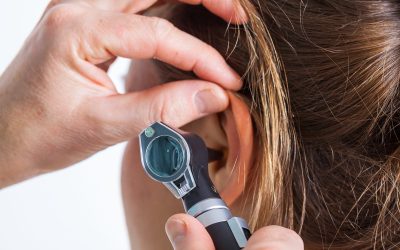
5. Vision and Hearing Tests
Changes in vision and hearing can impact safety and independence. Regular screenings help providers identify issues that may affect balance, communication, or overall quality of life.
6. Metabolic Screenings
Blood tests that evaluate glucose levels, kidney function, or thyroid activity provide insight into internal changes that may require ongoing care or medication adjustments.
Each of these screenings plays a vital role in helping healthcare providers better understand a senior’s overall health and tailor care accordingly.
How Preventive Care Supports Independence in Older Adults
One of the primary goals of geriatric medicine is to help older adults maintain independence for as long as possible. Preventive screenings support this goal by offering early visibility into mobility, cognition, joint strength, and daily functioning.
When screenings uncover early changes—such as reduced bone density, mild memory decline, or rising blood pressure—providers can intervene with strategies that promote healthier aging. These strategies may include physical therapy, nutritional adjustments, medication review, or coordination with other healthcare professionals.
Preventive care allows seniors to continue engaging in meaningful activities and reduces the risk of sudden health events that can impact long-term independence.
How Internal Medicine Supports Preventive Geriatric Care
Internal medicine doctors play an important role in coordinating preventive care for older adults. They evaluate screening results, track trends, and collaborate with other healthcare providers when additional testing or treatment is needed.
For example:
- If a bone density scan indicates weakening bones, the doctor may recommend strength-building exercises or medication adjustments.
- If a cardiovascular screening shows changes in heart function, the provider may coordinate further evaluation through radiology or cardiology.
- If cognitive screenings highlight early concerns, follow-up evaluations help support mental health and daily functioning.
This coordinated approach ensures that older adults receive comprehensive, continuous care that adapts as their needs evolve.
When Should Seniors Begin Preventive Screenings?
Preventive screenings typically become more frequent after age 60, though individual needs vary. Seniors should schedule screenings sooner if they experience:
- Changes in memory or focus
- Declining mobility or balance
- Noticeable fatigue or weight change
- Reduced vision or hearing
- Frequent falls or near-falls
- New discomfort in joints or muscles
Even without symptoms, routine screenings support early detection and promote a proactive approach to healthy aging.
The Role of Medical Clinic of Houston, L.L.P. in Preventive Geriatric Care
For seniors in Houston, TX, Medical Clinic of Houston, L.L.P. provides comprehensive preventive care within their internal medicine and geriatric services. Their coordinated approach supports early screening, long-term monitoring, and personalized care plans that align with each patient’s unique needs.
Through thoughtful guidance, regular evaluations, and a strong emphasis on wellness, they help older adults maintain health, independence, and quality of life.
Learn more about their services at trusted medical clinic in Houston.
Conclusion
Preventive screenings are essential in geriatric medicine because they allow seniors to identify potential health issues early, receive timely interventions, and maintain independence. By working closely with internal medicine providers and staying proactive about screenings, older adults can navigate the aging process with greater confidence and support.
For coordinated preventive care and long-term geriatric support, seniors and caregivers in Houston can rely on the approach offered by Medical Clinic of Houston, L.L.P..
To learn more or connect with their team, visit their website or contact them directly.