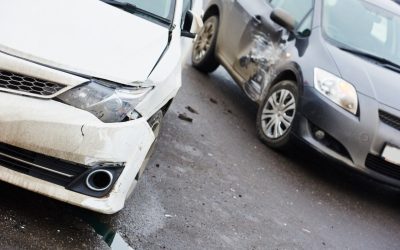
After a car accident, many people focus on repairing or replacing their vehicle. However, vehicle damage can also play an important role in how insurance companies, investigators, and legal professionals evaluate an injury claim.
In Phoenix, AZ, vehicle damage is often one of the first pieces of physical evidence reviewed after a collision. While damage alone does not determine the value of a claim, it can help establish how the accident occurred, the force of impact involved, and whether injuries reported by the parties are consistent with the collision. For those working with a
Car Accident Attorney,
Car Accident Lawyer, or
Auto Accident Attorney, understanding the relationship between vehicle damage and injury claims is important when evaluating the overall impact of a crash.
Why Is Vehicle Damage Important After a Car Accident?
Vehicle damage provides physical evidence of what happened during a collision.
Insurance companies frequently review:
- Photographs of the vehicles
- Repair estimates
- Property damage reports
- Vehicle inspection records
- Accident scene documentation
This information can help investigators understand:
- Where the impact occurred
- The direction of force
- The severity of the collision
- Potential contributing factors
Vehicle damage often serves as one component of a broader accident investigation that also includes medical records, witness statements, and police reports.
Can Vehicle Damage Help Establish Liability?
Yes. Damage patterns can sometimes provide valuable clues about how an accident occurred.
For example, investigators may use vehicle damage to determine:
- Which vehicle struck first
- Whether a lane-change collision occurred
- The angle of impact
- Relative vehicle positions before impact
Damage analysis is particularly useful when drivers provide conflicting accounts of the crash.
Although vehicle damage may not establish liability by itself, it can support other forms of evidence and help investigators reconstruct the accident.
Does More Vehicle Damage Always Mean a Stronger Injury Claim?
Not necessarily.
Many people assume that severe vehicle damage automatically results in severe injuries. While serious collisions often produce significant injuries, there is not always a direct relationship between property damage and physical harm.
Several factors influence injury severity, including:
- Vehicle size
- Occupant position
- Seatbelt use
- Speed at impact
- Direction of force
- Pre-existing medical conditions
In some cases, individuals may suffer substantial injuries even when vehicle damage appears relatively minor.
Because of this, insurance companies evaluate both vehicle damage and medical evidence when assessing a claim.
How Do Insurance Companies Use Vehicle Damage During Claim Evaluations?
Insurance adjusters often review vehicle damage early in the claims process.
They may consider:
- Repair costs
- Total loss valuations
- Impact locations
- Photographs
- Collision reconstruction reports
Adjusters sometimes compare damage severity with reported injuries to determine whether additional investigation is needed.
This review process helps insurers understand the circumstances surrounding the accident and evaluate potential damages.
Why Are Photographs of Vehicle Damage So Important?
Photographs can preserve evidence that may later become unavailable once repairs begin.
Helpful photographs often include:
- Multiple vehicle angles
- Close-up damage images
- Interior vehicle damage
- Airbag deployment
- Tire and wheel damage
- Debris at the scene
Photographs provide visual documentation that may help investigators and insurance companies evaluate the collision more accurately.
Clear images taken shortly after the accident can become valuable evidence throughout the claims process.
Can Vehicle Damage Affect Injury Causation Arguments?
Yes. Insurance companies frequently examine whether vehicle damage supports the reported injuries.
For example, they may review:
- Impact location
- Force direction
- Structural damage
- Occupant seating positions
In some situations, insurers may question whether injuries resulted from the accident or another event.
Medical records, physician evaluations, and diagnostic testing often become important in addressing these questions.
Vehicle damage is one piece of evidence among many used to evaluate causation.
What Happens When a Vehicle Is Declared a Total Loss?
A vehicle is generally considered a total loss when repair costs approach or exceed its value.
A total loss determination may indicate:
- Significant collision forces
- Extensive structural damage
- Serious impact conditions
However, a totaled vehicle does not automatically determine the value of an injury claim.
Personal injury claims and property damage claims are typically evaluated separately, even though both arise from the same accident.
Investigators still examine medical evidence, treatment records, and other factors when assessing injury-related damages.
How Can Vehicle Damage Support Accident Reconstruction?
Accident reconstruction specialists often rely on vehicle damage when analyzing collisions.
They may evaluate:
- Crush patterns
- Impact angles
- Vehicle movement
- Point of contact
- Structural deformation
Using this information, reconstruction specialists can develop opinions regarding how the accident occurred.
These analyses may become particularly important when liability is disputed or when multiple vehicles are involved.
Are Repair Records Useful Evidence?
Repair estimates and repair invoices often provide detailed information regarding the extent of vehicle damage.
These documents may identify:
- Structural repairs
- Mechanical damage
- Frame damage
- Airbag replacement
- Component failures
Repair documentation can help investigators understand the severity of the impact and the repairs necessary to restore the vehicle.
Maintaining copies of these records can be helpful throughout the claims process.
What Other Evidence Is Considered Alongside Vehicle Damage?
Vehicle damage is rarely evaluated in isolation.
Other commonly reviewed evidence includes:
- Medical records
- Police reports
- Witness statements
- Traffic camera footage
- Surveillance video
- Electronic vehicle data
- Accident scene photographs
Together, these sources provide a more complete understanding of the collision and its consequences.
Individuals seeking additional information regarding accident-related legal matters can learn more from a
Car Accident Attorney who discusses vehicle collisions and injury claims.
Folger Law Firm provides educational resources regarding personal injury matters, liability issues, and accident investigations involving motor vehicle crashes.
Why Should Drivers Preserve Evidence of Vehicle Damage?
Vehicle damage often provides important clues regarding how a collision occurred and the forces involved. While damage alone does not determine the value of a claim, it can support liability investigations, accident reconstruction efforts, and injury evaluations.
For accident victims in Phoenix, AZ, preserving photographs, repair records, and other property damage documentation can help ensure that important evidence remains available throughout the claims process. When combined with medical records and other supporting evidence, vehicle damage can contribute to a more complete understanding of both the accident and its long-term effects.