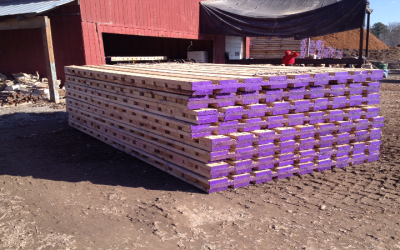




The roots of traditional salt-making run deep in American soil. In the hills of Appalachia, generations have tapped into ancient sea deposits, drawing from natural brine and sun-evaporation methods that remain unchanged. This practice gives artisanal salt a mineral profile that brings character and depth to everyday cooking. It’s not part of a movement—it’s part of a legacy. Every crystal tells of a land where doing things the right way still means doing them by hand.
What Sets Handcrafted Salt Apart
Mass production may bring convenience, but it often strips away the character. In contrast, artisanal salt is known for how it’s made—slowly, intentionally, and entirely by hand. Here’s what defines the difference:
-
Harvested in small batches
-
Dried naturally under the sun
-
Packed with native minerals
-
No processing, no additives
This kind of salt isn’t just about taste—it’s about preserving methods that respect the land and craft. It’s a deliberate return to simplicity in a world that often moves too fast.
Sourcing from Nature’s Purest
For many, starting fresh in the kitchen begins with clean ingredients. That’s where natural sea salt comes in. Sourced directly from briny pools and untouched by industrial treatment, this variety keeps its integrity from source to shaker. With a crisp texture and mellow salinity, it works beautifully across a range of recipes—from slow roasts to quick pickles.
Where History Meets Every Grain
The quiet strength of hand-harvested salt lies in its story—one shaped by soil, water, and patience. J.Q. Dickinson Appalachian Mercantile continues this tradition by drawing salt from an ancient ocean trapped below the Appalachian Mountains. They stay true to the land and their roots, making salt that’s full of meaning and rich in taste. Visit them today and experience a pantry essential rooted in place and purpose.